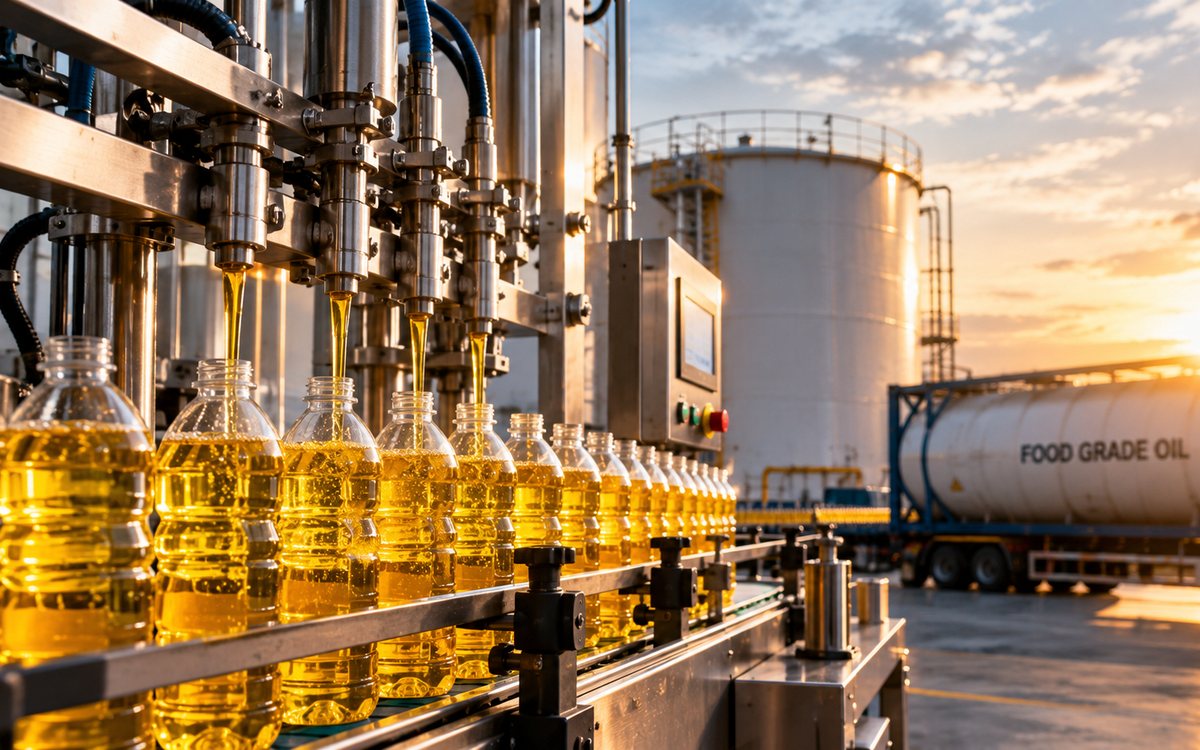
Edible oils and fats from the world's second-largest palm origin
Malaysia refines more palm oil than any country outside Indonesia, and the refineries feeding Port Klang and Pasir Gudang sit inside a day's haulage of our loading points. We refine and pack the full palm complex alongside soft oi…
10 lines in this division.
Malaysia refines more palm oil than any country outside Indonesia, and the refineries feeding Port Klang and Pasir Gudang sit inside a day's haulage of our loading points. We refin…
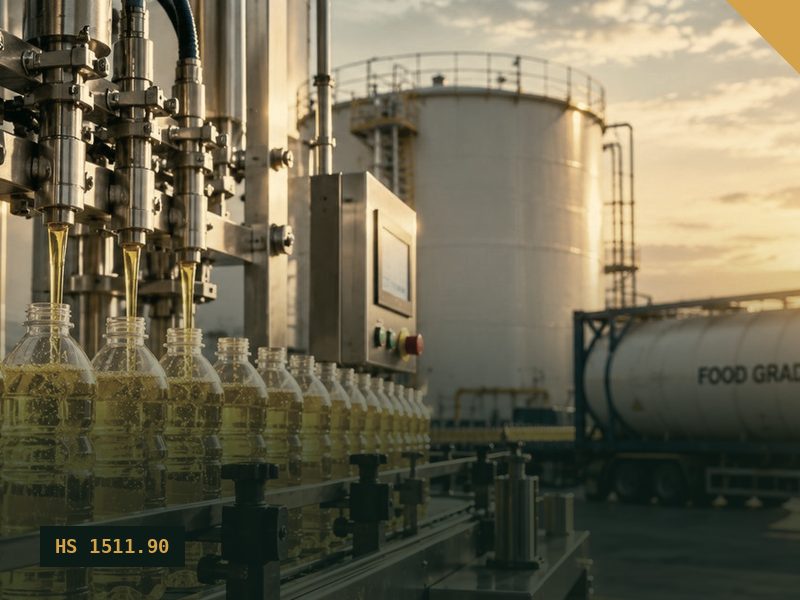
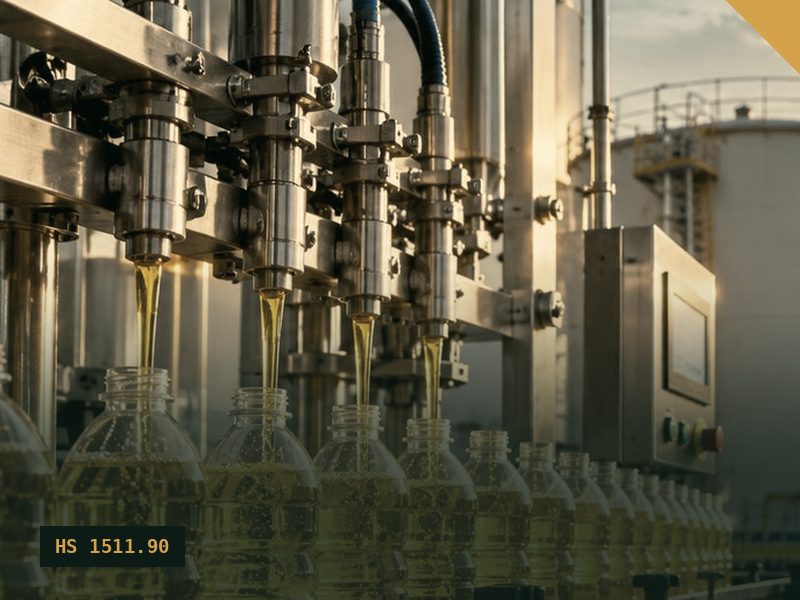
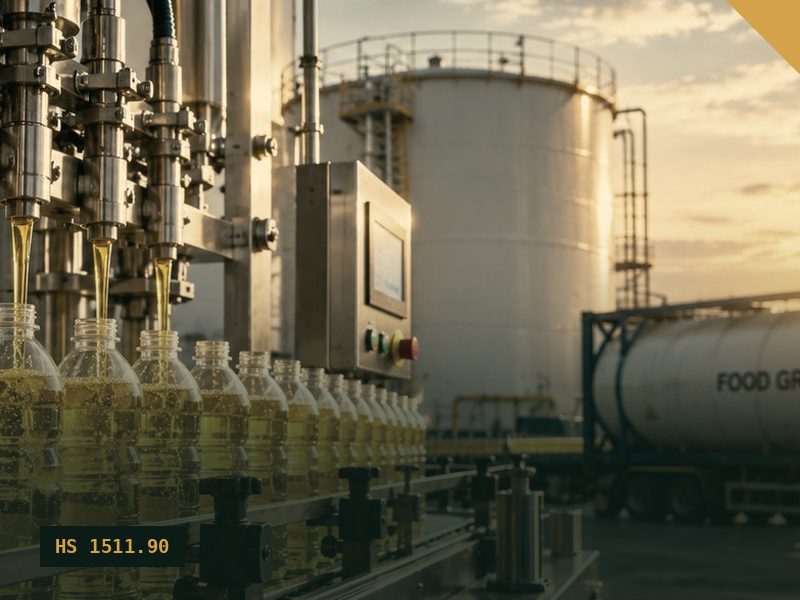
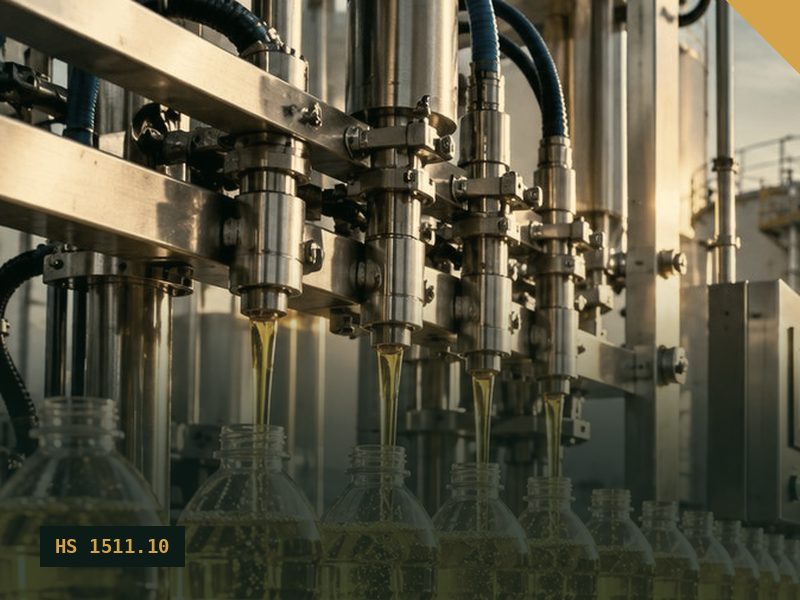
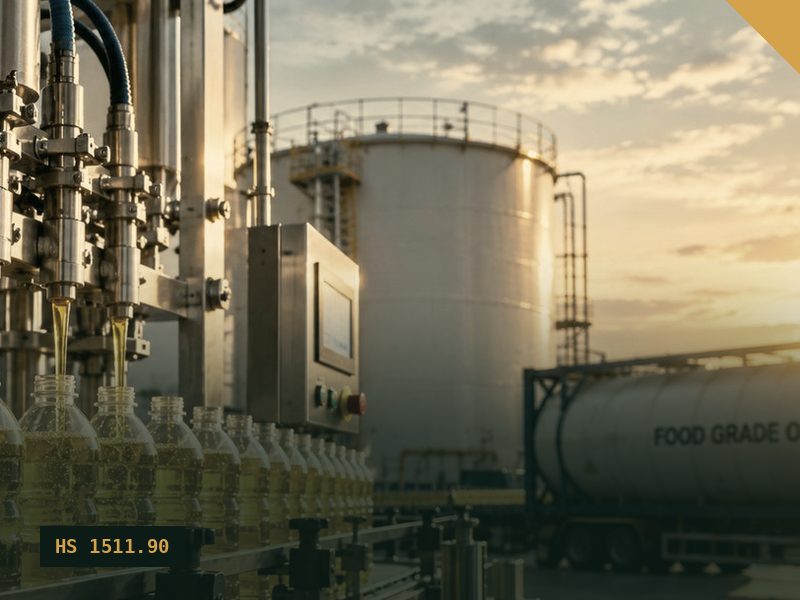
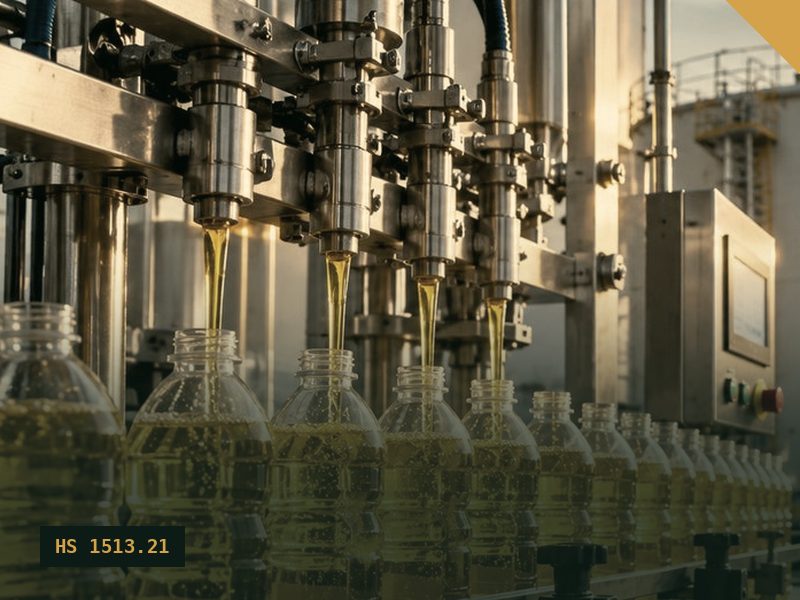
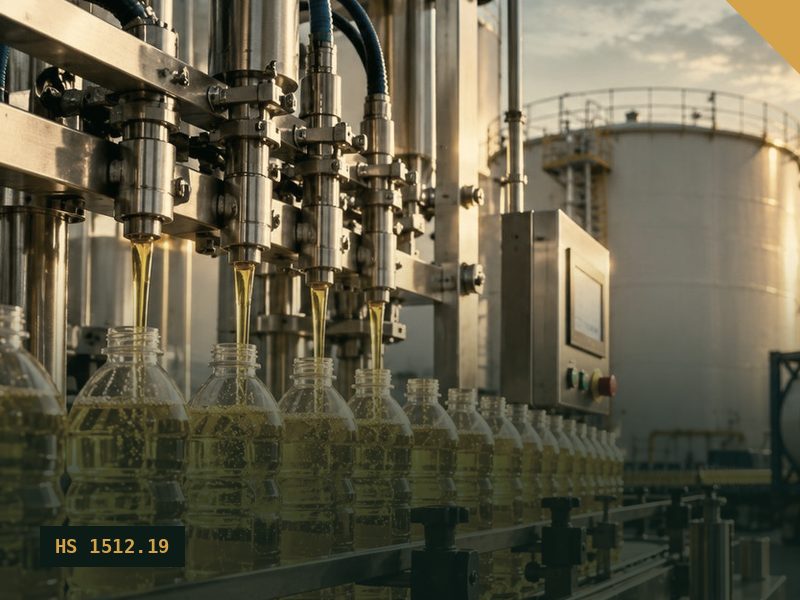
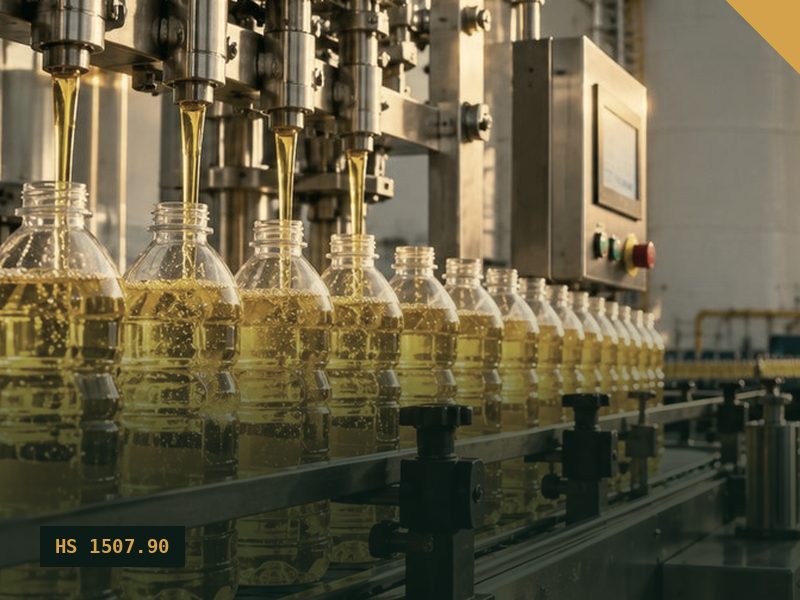
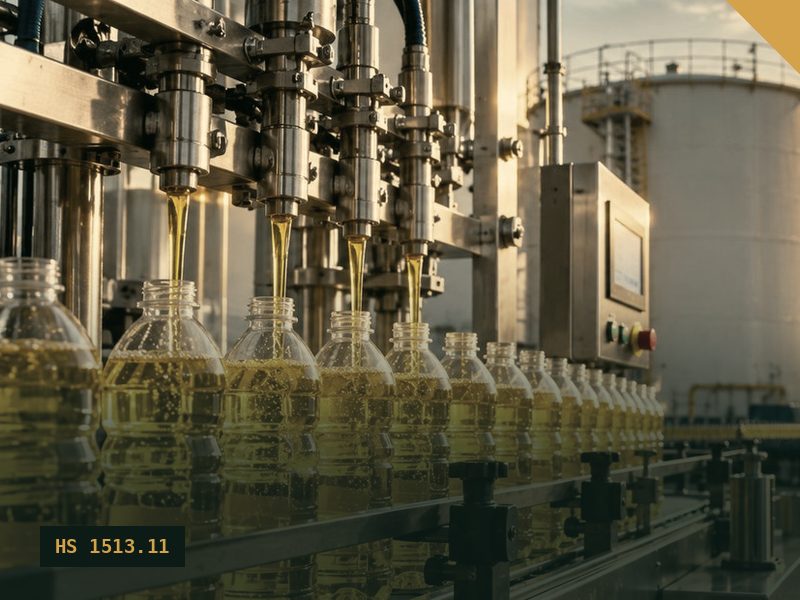
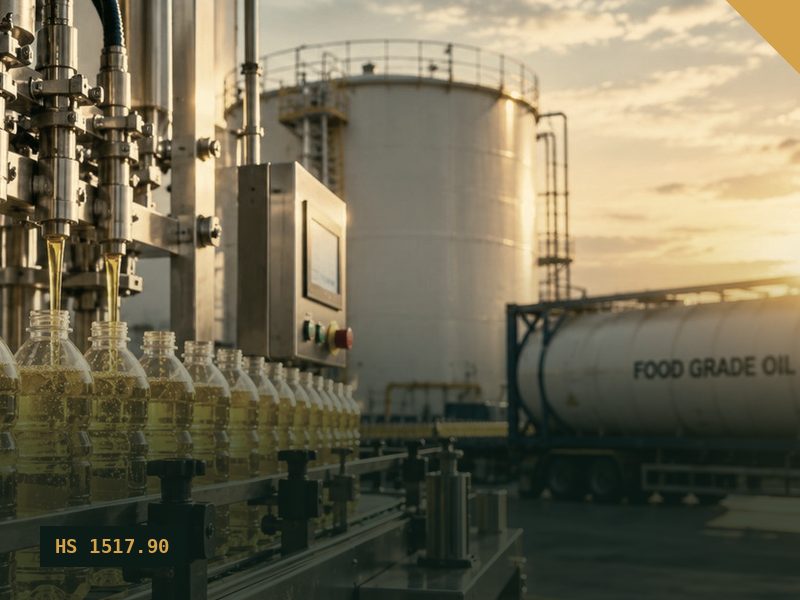
Producing edible oils & fats.
Malaysia refines more palm oil than any country outside Indonesia, and the refineries feeding Port Klang and Pasir Gudang sit inside a day's haulage of our loading points. We refine and pack…
How this oil is refined and packed
Crude material arrives at our refinery from mills we hold standing contracts with, and is degummed, neutralised, bleached and deodorised on our own line. Fractionation separates the olein and stearin fractions, and the cut point is what determines the cloud point you are buying — it is a machine setting on our plant, not a grade we go shopping for. Deodoriser temperature and residence time are held to keep free fatty acid and peroxide value inside the contract ceiling with margin to spare, because oil degrades in transit and a lot that leaves at the limit arrives outside it.
Quality control
Every batch is drawn at the deodoriser outlet and again at filling. Our laboratory runs free fatty acid as palmitic, moisture and impurities, iodine value by Wijs, cloud point, Lovibond colour and peroxide value on each lot, and the certificate of analysis travels with the documents. Retained samples are held for the full claim period.
Packing and private label
Bulk parcels ship in flexitanks of 20 to 24 MT inside standard 20-foot containers, in dedicated ISO tanks where the destination has tank reception, or as vessel parcels above 3,000 MT. Packed goods run on our own filling lines in PET bottles from 500 ml to 5 litres, jerry cans of 18 to 20 litres, and 190 kg drums. Private label is routine on this division: send artwork and net weights and we handle print origination and destination labelling law.
How we ship edible oils
Bulk parcels move in flexitanks of 20–24 MT inside standard 20' containers, in dedicated ISO tanks, or as vessel parcels for volumes above 3,000 MT. Packed goods leave in 5L / 10L / 20L jerry cans, 185 kg new steel drums or 1,000 L IBC totes, palletised and shrink-wrapped. Heated parcels are maintained at the discharge temperature your receiving terminal specifies.
Specification and quality control
Every parcel is drawn and sealed under third-party supervision — SGS, Intertek or Bureau Veritas at your election — with free fatty acid, moisture and impurities, iodine value, colour and melting point reported before the vessel sails. Cold test and cloud point are certified where the contract calls for it.
Documentation you receive
Commercial invoice, packing list, full-set clean on-board bills of lading, certificate of origin (Form D, Form E or Form AI where applicable), phytosanitary or health certificate, certificate of analysis, weight and quality certificates, and halal certification issued under JAKIM.
Questions about this division.
01What is the difference between CP6, CP8 and CP10 palm olein?
02What is your minimum order quantity for edible oils?
03Can you supply under our own brand?
Need a firm price on edible oils?
Send the grade, the quantity, the destination port and the Incoterm. A named trader replies within 48 hours.