Fresh produce moved on a cold chain that does not break
Fresh cargo is a logistics problem before it is a trading problem. We book reefer and ventilated equipment early, pre-cool at the packhouse, set and log temperature and ventilation from stuffing to discharge, and hold the phytosan…
7 lines in this division.
Fresh cargo is a logistics problem before it is a trading problem. We book reefer and ventilated equipment early, pre-cool at the packhouse, set and log temperature and ventilation…
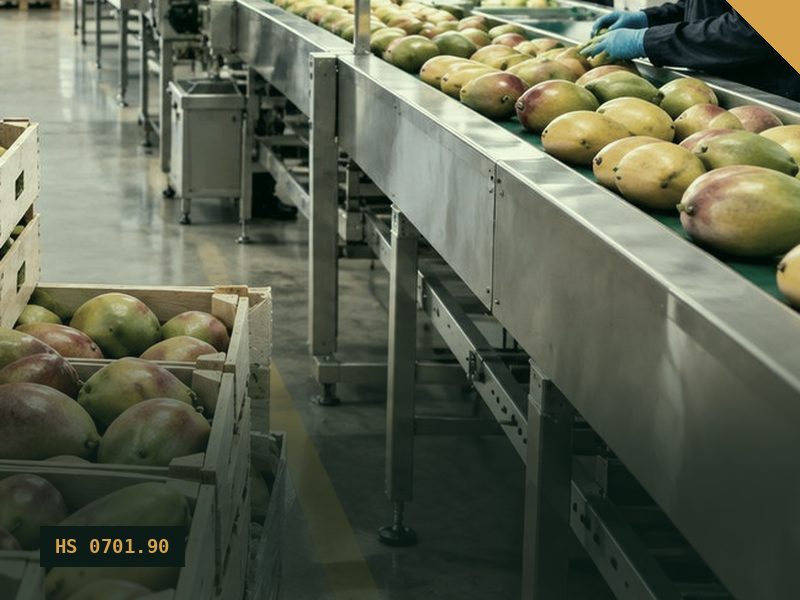
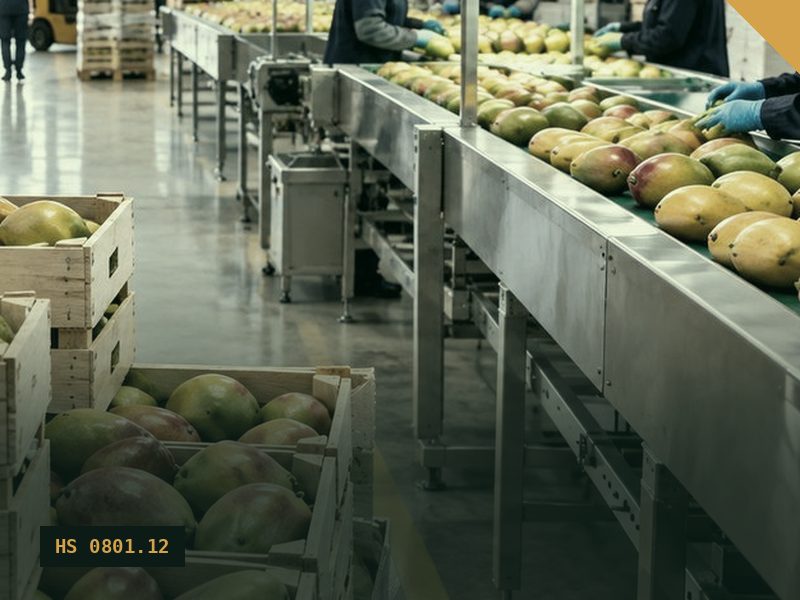
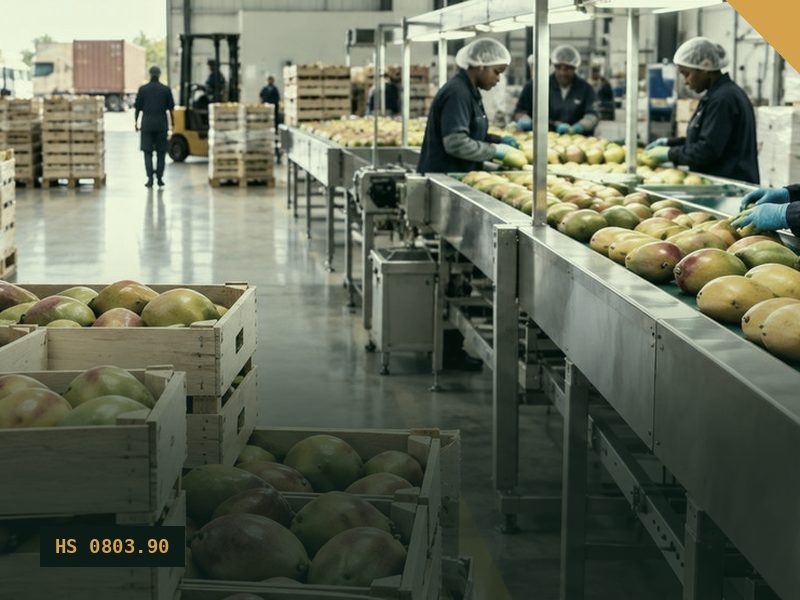
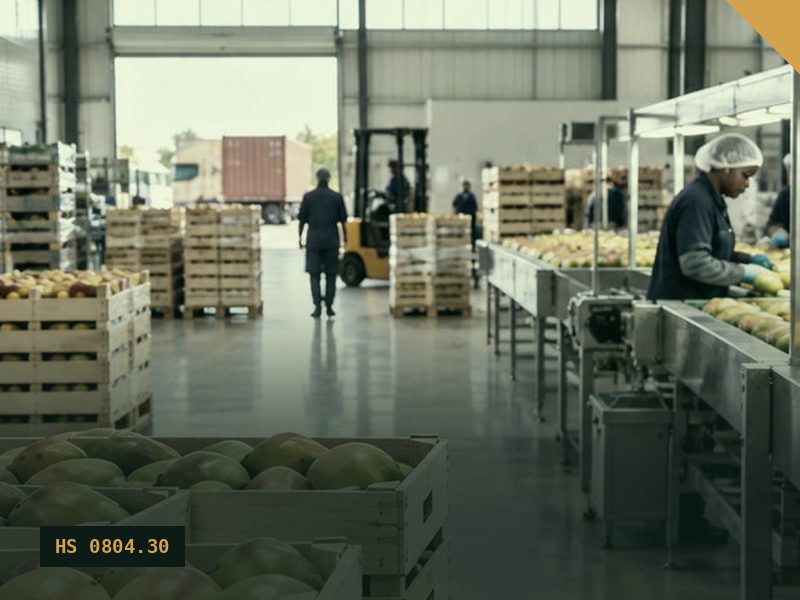
Producing fresh produce & vegetables.
Fresh cargo is a logistics problem before it is a trading problem. We book reefer and ventilated equipment early, pre-cool at the packhouse, set and log temperature and ventilation from stuf…
How this produce is graded and cold-chained
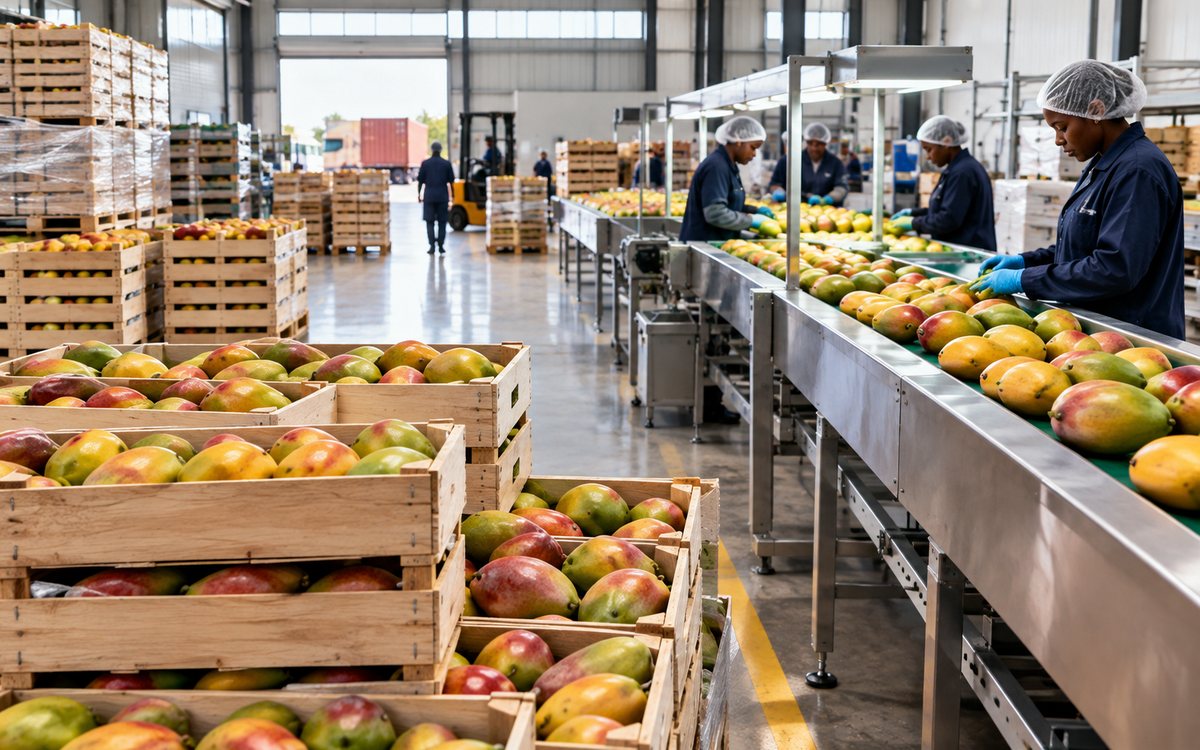
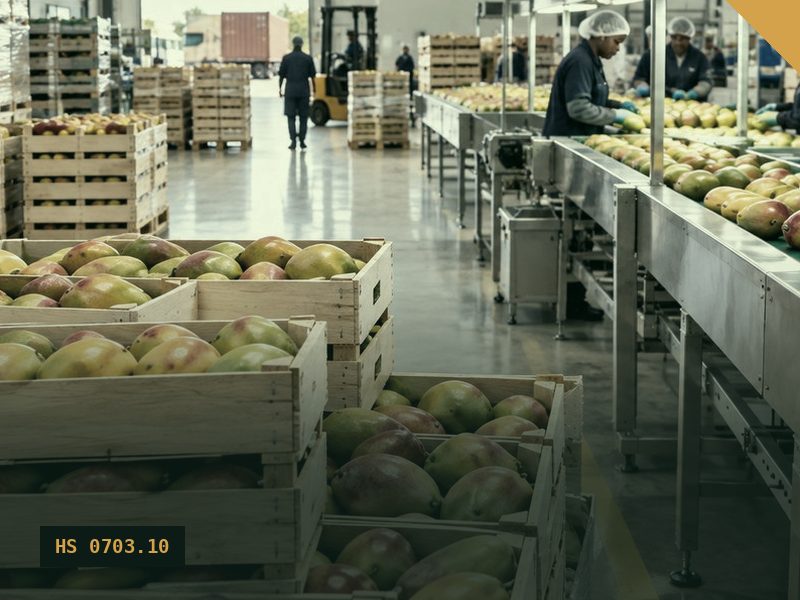
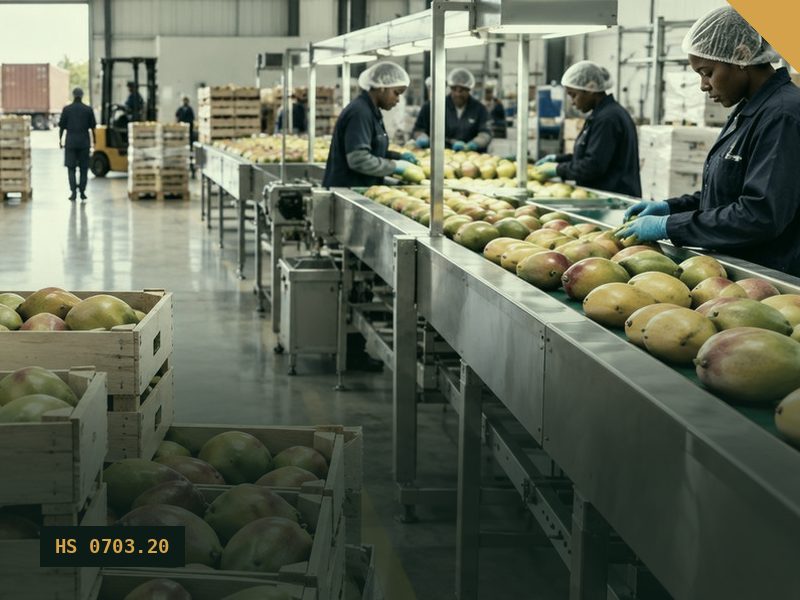
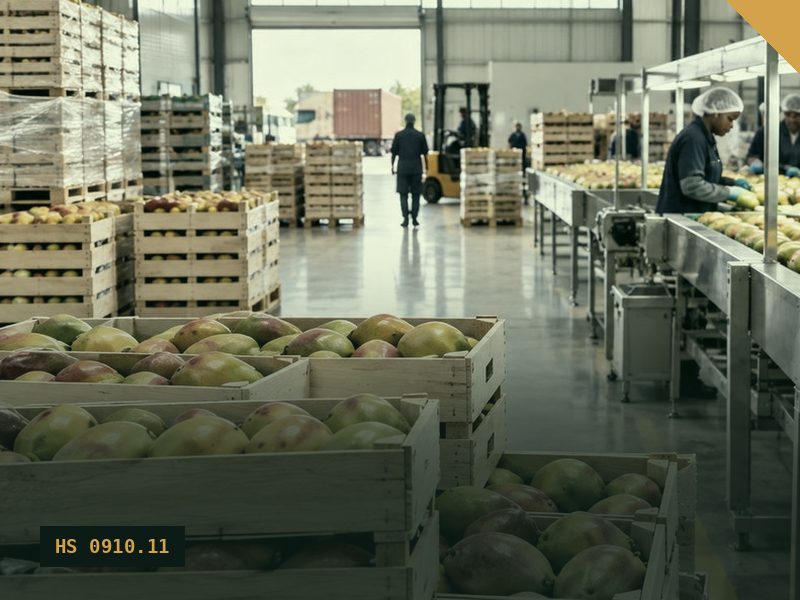
Produce is received from contracted farms, cured or pre-cooled as the commodity requires, then washed, size-graded and defect-sorted at our packhouse. The cold chain is the product here: pulp temperature is recorded at intake, after pre-cooling and again at container stuffing, and the reefer set point and ventilation setting are written into the contract rather than left to the shipping line. Loading is done through a cold dock so the cargo never sits in ambient heat waiting for a container.
Quality control
Size grading and defect tolerance are checked against contract, and pulp temperature, reefer set point, ventilation and humidity settings are all documented. Phytosanitary certification is issued by the origin authority before departure, and we supply the temperature trace from the container logger on arrival.
Packing and private label
Packing runs to destination convention: mesh bags, telescopic cartons, plastic crates or wooden bins, palletised and corner-boarded for reefer stowage. Retail-ready net bags and punnets under your own label run on our packing line with destination labelling applied.
Cold chain and container settings
Each commodity ships on a written temperature, humidity and fresh-air-exchange setting agreed before loading, with data loggers inside the container and readings supplied on arrival. Controlled atmosphere is arranged where transit time makes it worthwhile.
Plant health and market access
Phytosanitary certificates are issued by the origin's national plant protection organisation against your import permit. We confirm market access, treatment schedules and labelling before we book equipment, not after.
Packhouse standards
Produce is graded, sized and packed at GLOBALG.A.P. certified packhouses in mesh bags, telescopic cartons or ventilated crates on ISPM-15 heat-treated pallets, with count and size marked on every package.
Questions about this division.
01What container type do you use for onions and garlic?
02Do you supply phytosanitary certificates?
03What is the shelf life on arrival?
Need a firm price on fresh produce?
Send the grade, the quantity, the destination port and the Incoterm. A named trader replies within 48 hours.